
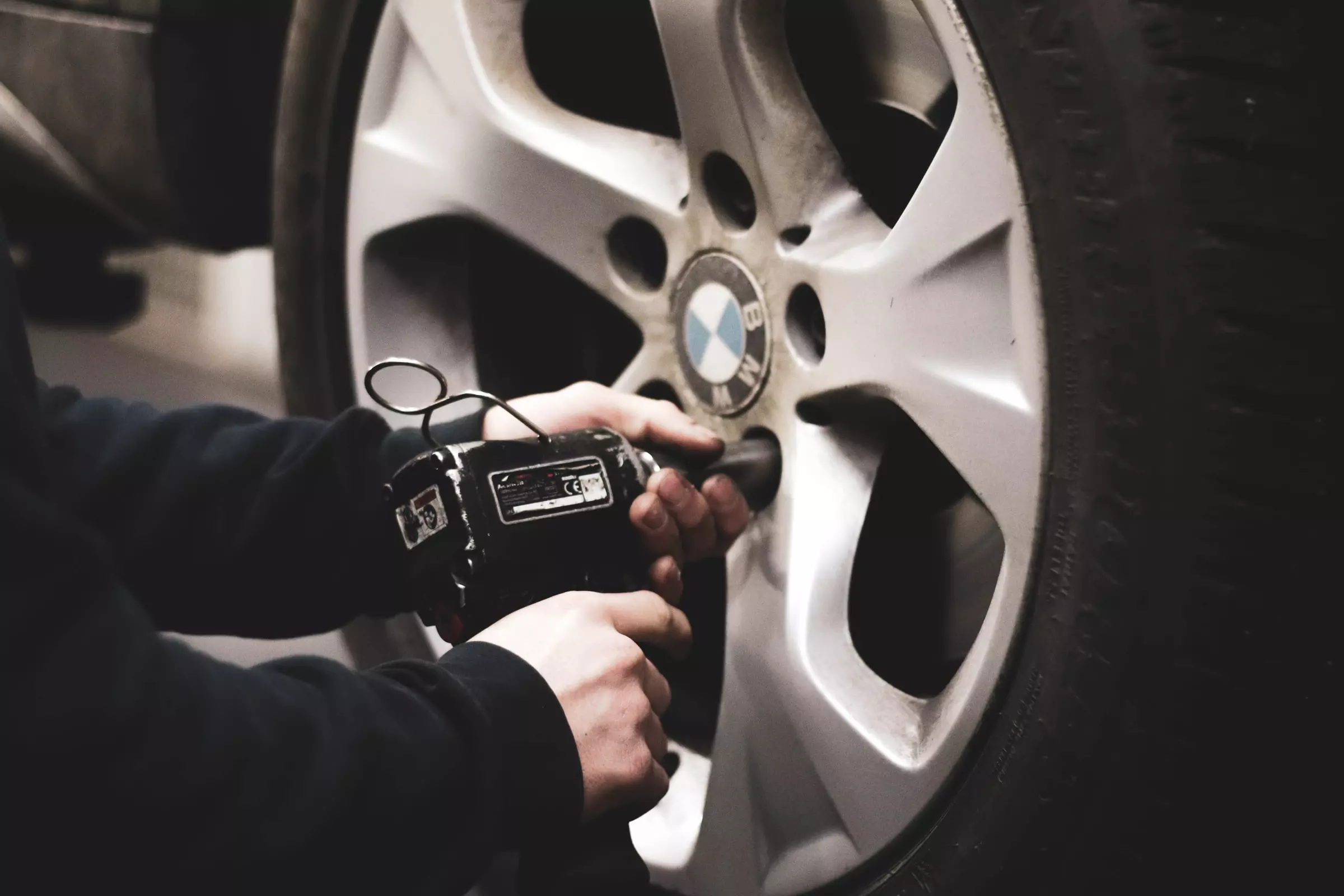
Find out what is checked during a motorhome servicing and why regular maintenance is so important for keeping your motorhome safe, comfortable and in good condition on the road.
What Is Checked During Motorhome Servicing?
An independent inspector carries out these inspections to comply with strict standards. Keeping all this in mind will give you peace of mind when having your annual motorhome habitation service.
The technicians must also have formal qualifications and Gas Safety certificates. Their mechanical practices must comply with the industry’s code of practice.

The habitation service follows a set procedure and a highly detailed inspection plan. During the inspection, the engineer will check the condition of your vehicle and identify any signs of wear, damage or water ingress before they lead to more serious problems.
Habitation checks must cover ventilation systems, gas systems and fire risks. They also cover common caravan and motorhome problem areas such as electrical systems, water systems, bodywork and dampness. A proper damp check is essential for preventing costly repairs later.
After the habitation service is completed, you will receive a full detailed report. It will contain all observations of any problems that have been identified, the tests carried out and the repairs required for the findings to be rectified.
The first thing you need to do is book with a workshop or service engineer you trust to complete the service. Make sure they explain what is included, how long the servicing will take and what extra charges might apply for replacement parts.
Fixed Workshop Servicing:
Qualified professionals can carry out your motorhome habitation service in a fixed workshop regardless of the weather conditions. A workshop environment means the vehicle can be kept clean, dry and safe during the inspection.
Another benefit is that a workshop will have space to stock many of the parts that might be required for your motorhome service, such as seals, vents, taps, sockets, lights and other important components. This can help keep your motorhome in top condition, as parts can be replaced straight away rather than waiting for another visit.
Some garages and motorhome dealers will send you yearly service reminders for your campervan or motorhome habitation service. You will need to take your motorhome to the workshop at the agreed time and date. It is important to check the location, as they might not be close to your home, and to make sure you can leave the vehicle there for the time required.
Habitation Check:
Habitation checks are a detailed examination of the living areas of your motorhomes or caravans. A specialist motorhome engineer should carry out the inspection. It is recommended to have annual motorhome habitation checks to ensure all manufacturer warranties and insurance are still valid and to ensure your vehicle is efficient and safe for use.
Selecting a reputable service engineer or workshop to conduct your motorhome’s annual habitation service can feel daunting. It is important to choose someone with the right qualifications, the right equipment and clear information about what is included in the service.
Bodywork and Damp Checks:
The engineer will conduct a full check of all blinds, windows and doors so they open, close and lock smoothly on your vehicle. They will also inspect seals around windows, doors and roof vents to identify any gaps, cracks or signs of wear that could lead to leaks.
The engineer will make general observations of the whole of the motorhome’s bodywork. They will look for damage, corrosion, cracks and any signs of impact that might affect safety. A clean, well maintained exterior and a good quality appearance will also enhance the value of your campervan.
A staff member will inspect the roof visually, checking joints, vents, skylights and any fittings on the roofline. Then they will carry out a damp check around the inside of your motorhome.
If the reading is 0–15%, it means there are no concerns.
A major recheck will be required within three months if the reading is 15–20%.
If the reading is above 20%, immediate attention is required, as this highlights an area with water ingress.
The motorhome service technician should give you a damp report on completion of the service, so you can see exactly which areas have been tested and what was found. This information is useful if you need to make an insurance claim or plan repairs.

Water Systems and Plumbing:
The engineer will individually check all taps in your motorhome for leaks and smooth operation. They will check that taps and shower heads run freely, that water pressure is acceptable and that the water system clears properly when you turn the taps off.
They will review your motorhome waste-water outlet to ensure there are no blockages and that the pipes are in good condition. Any leaks or signs of wear are noted so you can arrange repairs before they become more serious.
The engineer will inspect the vehicle’s toilet to ensure that the valve seal is lubricated well and that the battery-operated or electric flush is working as it should. They will also check that the toilet cassette seals well and that there are no smells or signs of leaks around the unit.
If your motorhome is fitted with an Alde wet heating system, the water and ethylene glycol antifreeze must be a 50/50 mix. The engineer will check this using a portable refractometer. The antifreeze mix in the header tank should be around 10 mm above the minimum mark and not at maximum. It is recommended that the antifreeze in your motorhome is changed every two years.
The service may also include checks on other water systems, such as external shower points, water tanks and drain-down valves, making sure everything is in working order and ready for use. Regular maintenance of the water system helps prevent frost damage in winter and reduces the risk of leaks during your trip.
Electrical Systems:
The engineer will thoroughly check and assess all external and internal lights and electrics on your vehicle for any faults. This includes road lights, marker lights and interior lights, along with control panels and the main electrical system that feeds them.
All sockets are tested. The engineer will do this using a loop check, which sends a signal down the socket to verify that it is correctly wired and safe to use. Both 12V and 230V outlets are checked and tested.
Also included in the check of the electrical systems is the consumer unit, the refrigerator operation, the battery, television socket and any other electrical system that might require checking. The leisure battery and charging system are inspected to ensure they can carry the load you need when you are not on mains hook-up.
An RCD (residual current device) test is also conducted. This involves making sure the RCD will trip within a set time if a fault occurs. The miniature circuit breakers are also checked to ensure that they are correct for the appliances you have in your motorhome and that they have been tested and labelled properly.
Gas Systems and Appliances:
The gas engineer will use a manometer to check your gas supply for any gas leaks your motorhome might have. They will also check every gas appliance in your motorhome to ensure they are all working efficiently, safely and correctly.
These checks will include turning the appliances on to ensure they are working properly. The appliances usually include the refrigerator, water heater, hob, oven and your motorhome’s heating system.
The engineer will thoroughly check all vents in your motorhome to ensure they are open and clear, making sure that fumes can escape and fresh air can enter. All the appliances will then be turned off at the gas isolator taps.
If the flame-failure device cuts in, this will mean that the test has been passed. A second test is the Carbon Monoxide (CO) test. Engineers registered in England will turn on all the gas appliances, and a flue gas analyser will run for a minimum of 15 minutes.
Each of the windows and doors is kept closed during this test. This test will show the quality of the air in your motorhome and identify any risk from harmful gases. All results are then recorded, and you will be informed once these checks have been carried out.
Annual gas safety checks are essential for keeping your motorhome safe. They also help keep the warranty valid and can support your insurance cover, as they show that your gas system has been inspected by a qualified professional.
Fire Safety Checks:
The CO detector and smoke alarm must be checked and must not be past their replacement date. If you have a fire extinguisher in your motorhome, the engineer will check the expiry date and make sure it is the correct type for the vehicle.
Professionals will also regularly inspect the housing unit to ensure it is secure and easy to reach. They will check that exits and doors are free from blockage, that escape windows open as required and that fire blankets or other safety equipment are in good condition.
Another essential reason for checking all systems and bodywork involved in your motorhomes is that you can ensure all insurance is covered and valid. A record of regular servicing, including fire safety checks, shows that you have done what is required to keep the vehicle in a safe condition.
It also helps increase the value of your caravan or motorhome, as a well-serviced vehicle that is consistently in good condition will always be a better long-term investment.
Chassis, Tyres, Brakes and Suspension:
Although a habitation check focuses on the living area, a full motorhome service should also include key safety checks on the chassis and running gear. The chassis is inspected for corrosion, damage and signs of wear.
Any issues are noted so they can be repaired before they affect the structural strength of the vehicle. Tyres are checked for tread depth, cracks, bulges and uneven wear. The engineer will also confirm that tyre pressures are correct and that the tyres are suitable for the load they carry. Worn tyres can increase stopping distances and raise the risk of a blow-out on the road.
Brakes are one of the most important parts of any vehicle. During servicing, the braking system is inspected and tested so you can stay safe when travelling. The engineer may check brake pads, discs, brake pipes and fluid levels.
Suspension components are also checked to ensure that springs, dampers and bushes are in good condition and that the motorhome sits level. These checks are essential for keeping your motorhome safe and making sure it drives well. They also help prevent costly repairs later, as problems can be identified early.
Engine and Mechanical Servicing:
As well as habitation checks, your motorhome needs regular engine servicing. This is similar to a service for a car and is usually based on mileage or time, often once a year. An engine service will normally include:
Oil changes and replacement of the oil filter
Replacement of air and fuel filters where required
Checks on coolant, brake fluid and power steering fluid levels
Inspection of drive belts and timing belt where applicable
Checks on the exhaust system and under-bonnet components
The aim is to keep the engine in good condition, reduce the risk of breakdown and make sure it runs efficiently. Keeping your motorhome’s engine well maintained means it is more likely to start first time and use fuel in an efficient way during every trip.
Regular maintenance of the engine, brakes and suspension works together with the habitation checks to ensure the whole vehicle is safe and roadworthy.
Comfort Systems: Heating, Cooling and Ventilation:
Your comfort on the road depends on more than just safety. During a motorhome service, the engineer may also check the heating system, air conditioning and ventilation.
The heating system is tested to make sure it comes on when required, stays at the right temperature and shuts down safely. Both gas and electric heating modes are checked where fitted. Radiators, fan heaters and warm air ducts are inspected for damage or leaks.
If your motorhome has air conditioning in the cab or habitation area, this may also be inspected and tested. The engineer will check that it blows cold air, that controls work properly and that there are no obvious leaks.
Vents and rooflights are checked to make sure they open and close freely and that flyscreens and blinds are in good condition. Good ventilation is vital for removing moisture, reducing condensation and helping prevent damp problems.
Winter Checks and Preparing for Storage:
Many owners choose to store their motorhome over winter. A good servicing plan will include checks and advice on how to set up the vehicle for cold weather and times when it is not in use.
This can include draining the water system, setting the heating system and fridge to the correct settings, and making sure batteries are charged and maintained. Engineers may recommend disconnecting the battery or using a suitable charger so that it does not go flat.
Winter checks also include inspecting seals and bodywork again, as any leaks or cracks can let water in during wet weather. By dealing with small things before winter, you can prevent much more costly damage by the time you are ready to get your motorhome back on the road.
DIY Motorhome Habitation Service Checks
Check Motorhome Bodywork
The best time to check the bodywork, chassis and seals of your motorhome is when you are cleaning your vehicle. This gives you a chance to inspect every panel, window and door.
Your mobile service engineer will be able to spot water ingress during your annual service. However, you can also check the bodywork and chassis for signs of wear or water ingress each time you wash your motorhome. The sooner you identify these problems, the easier and cheaper they will be to fix.

You will save a significant amount of money when you employ a motorhome engineer to fix potential leak paths much sooner rather than later. If you neglect these issues, they could become a damp problem that leads to health risks and costly repairs in the future.
Check for window scratches and damage. You may have the skills to repair these yourself, but if not, you should take your vehicle to a workshop or service centre so the windows can be inspected and repaired or replaced safely.
Purchase a Damp Meter
You can thoroughly check all interior surfaces within your motorhome for damp by using a moisture meter. Run it along walls, around windows, rooflights, doors and in cupboards.
If you suspect potential issues or see signs of damp, be sure to call out a professional mobile service engineer to complete a full inspection.
A higher quality moisture meter can provide more accurate readings to confirm the risk of damp issues. It is best to detect damp problems and address them as quickly as possible to prevent further damage. This is usually cheaper in the long term than leaving them until they become serious.
Check for Carbon Monoxide
You should always hire professionals to check your gas system thoroughly. However, you can also make it your responsibility to check your carbon monoxide alarm. The carbon monoxide alarm is one of the most important safety devices in your household, property or motorhome, as it can save your life.
Your alarm cannot protect you if it is not fully functioning. During annual servicing, professionals should check your carbon monoxide alarm as part of a general routine check. We recommend that you also test the alarm yourself before heading out in your motorhome on a trip or holiday. Make testing it a regular habit so that you never forget.
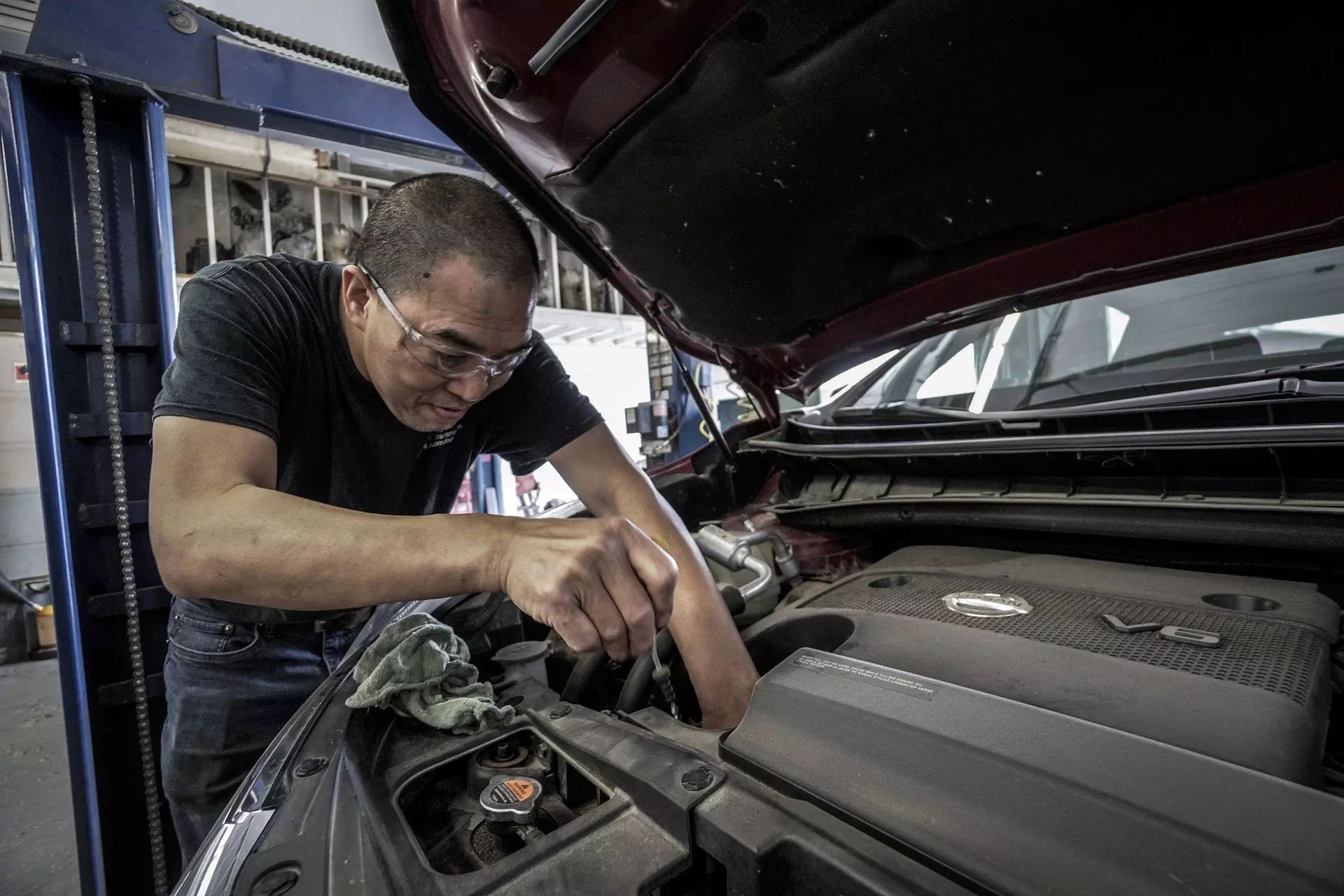
Why Servicing Your Motorhome Is So Important
You may need to get your motorhome’s living area serviced every year. You will require this job to be completed by an authorised workshop or a motorhome specialist dealer. A complete service may take several hours to ensure your engineer has time to inspect every aspect properly.
The habitation motorhome service will include all electrical, gas, water and heating systems, all of which must be maintained and checked yearly. Safety checks to high industry standards should be carried out on all appliances in your motorhome, including the fridge, hob, oven and other appliances that use gas or electricity. A well planned schedule of regular maintenance means:
You reduce the risk of breakdowns and leaks
You help prevent costly repairs
You keep your motorhome safe and roadworthy
You keep your insurance and warranty in line with the conditions required
Keeping your motorhome well maintained also protects your investment. A vehicle with a full service history, clear inspection reports and evidence of regular checks is more attractive to buyers and will usually hold its value for more years.
How to Book a Motorhome Service
If you are looking for motorhome servicing in your area, it is a good idea to:
Check that the workshop offers both habitation checks and mechanical servicing
Make sure gas engineers are registered in england and have the correct certificates
Ask what is included in the price and what may cost extra
Confirm how long the inspection will take and whether you can wait or need to leave the vehicle
If you are interested in servicing with Hitchin Leisure Servicing, you can contact the team during working hours for more information, to get your motorhome booked in or to ask any questions. You can get in touch by phone, by email or through the website contact form.
By making sure your motorhome is inspected regularly, you can enjoy the road with confidence, knowing that the vehicle is safe, comfortable and ready for your next trip.
If you are looking for a motorhome servicing in Hertfordshire contact our Workshop today. We offer motorhome services for Stevenage, Bedford, Luton, and Milton Keynes.